

How to Survive Anywhere by Ben Lerwill & Daniel Long (Nosy Crow)
Children love learning about the most extreme parts of our world. How to Survive Anywhere is a book that will take them from the Arctic Circle to the depths of the world’s forests to the bottom of the oceans – far into the driest deserts and up to the highest peaks.
This is not just a quick jaunt through each location. The pages are packed full of information with illustrations, lists, fact files, captions and diagrams. Tips and How To’s make the information really accessible. Readers can dip in and find a few facts or invest some time in becoming an expert on one of the most extreme parts of the world.
This book would be fantastic for a project about habitats or “Extreme Earth” in Key Stage Two. Each group could research one of the 10 locations using this book for notes or for a model of how to present their findings in an engaging manner. As a class, children could take a trip around the world, stopping off at each extreme location along the way.
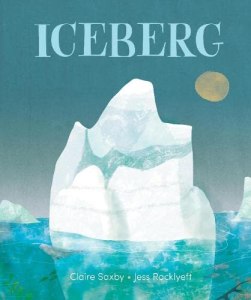
Iceberg by Claire Saxby & Jess Racklyeft (Allen & Unwin)
Iceberg is a beautiful non-fiction picture book celebrating the majesty of the Antarctic and the enormous icebergs that dominate the sea. Lyrical language describes the wildlife who make this harsh climate home and shares their interactions so necessary for survival.
The centre of the book unfolds into an incredible spread showing just how much life there is in this frozen world. It is the harmony of Claire Saxby’s words and Jess Racklyeft’s illustrations that make this book so beautiful. Whether a part of a study of habitats, life cycles or climate change, Iceberg will be a gorgeous addition to any Key Stage One class library.
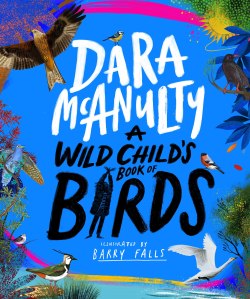
A Wild Child’s Book of Birds by Dara McAnulty & Barry Falls (Macmillan)
A Wild Child’s Book of Birds welcomes readers to the wonderful world of birds. So important to the Earth’s ecosystems, these creatures have developed fascianting ways to survive. Often inspiring poetry, song and story, birds have always intrigued people with their beauty and ability to fly. This book celebrates these creatures through poetic prose and facts.
Barry Fall’s illustrations are gorgeous – natural yet friendly, they reveal each bird’s uniqueness and special features. I particularly love the birds of prey with their elegance, strength and power.
This is a book to take your time over. Journey from spring through summer, autumn and winter to discover how birds adapt and our relationship with them.

Rewilding by David A. Steen & Chiara Fedele (Neon Squid)
A young girl in my Brownie unit told me she wants to be an animal rewilder when she’s older. This is just the book for her. Beginning with an explanation of rewilding and why humans need to help animals in this way, it provides detailed information about the impact humans have had on animal populations and what we can do to make a difference.
Each double-page spread shares the plight of one species – what happened to them, how humans have stepped in and what needs to happen for the species to continue to thrive. Rewilding is just one piece of the conservation puzzle. As humans realise the impact of their actions, the importance of the animals and how all the parts of the various ecosystems fit together, only then will they make the changes necessary to stop species from disappearing.
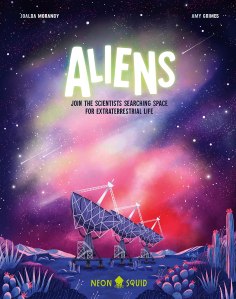
Aliens by Joalda Morancy & Amy Grimes (Neon Squid)
Space is known as the final frontier. What’s really out there? Expert Joalda Morancy takes readers on an incredible adventure in search of aliens. The science behind the importance of water and how planets can support life, UFO spottings, and the potential for life in other parts of space are shared with fascinating detail and engaging illustrations.
The study of Mars is expalined in depth as well as other places where water has been found and life “could” be possible. Young space enthusiasts will love the hypothethes and come to their own conclusions about whether or not there is life out there.
This book goes beyond your usual space non-fiction, challenging readers to think beyond our solar system and the usual facts. There are more questions than answers which require readers to really engage with the information, analyse what they learn and decide what they believe could be possible.
Get ready for Non-Fiction November with the new non-fiction books in the Developing Reading Comprehension Skills series:


Click on the covers below to find out more or purchase online:
Bookshop.org:




Amazon:


Books by Kate Heap:


 Scope for Imagination
1 thought on “Non-fiction to Make You Think”